The landscape of corporate education is currently witnessing a seismic shift that moves far beyond the traditional classroom setting or standard video presentations. We are entering an era where virtual reality and immersive technologies are becoming the backbone of professional development across every major industry. For a long time, training was seen as a static necessity that employees often found tedious and disconnected from their actual daily tasks. Now, the introduction of immersive environments allows workers to practice complex skills in a risk-free digital space that mimics reality with startling precision.
This transition is not just about adopting new gadgets; it is about fundamentally changing how the human brain absorbs and retains information through experience rather than observation. Companies are realizing that the cost of immersive hardware is a small price to pay for the massive increase in employee competence and safety. As we look toward the future, these digital training solutions will define the competitive edge of global enterprises by creating a more agile and skilled workforce. It is a journey into a world where boundaries between the physical and digital learning spaces completely disappear for the benefit of all.
The Evolution of Professional Learning

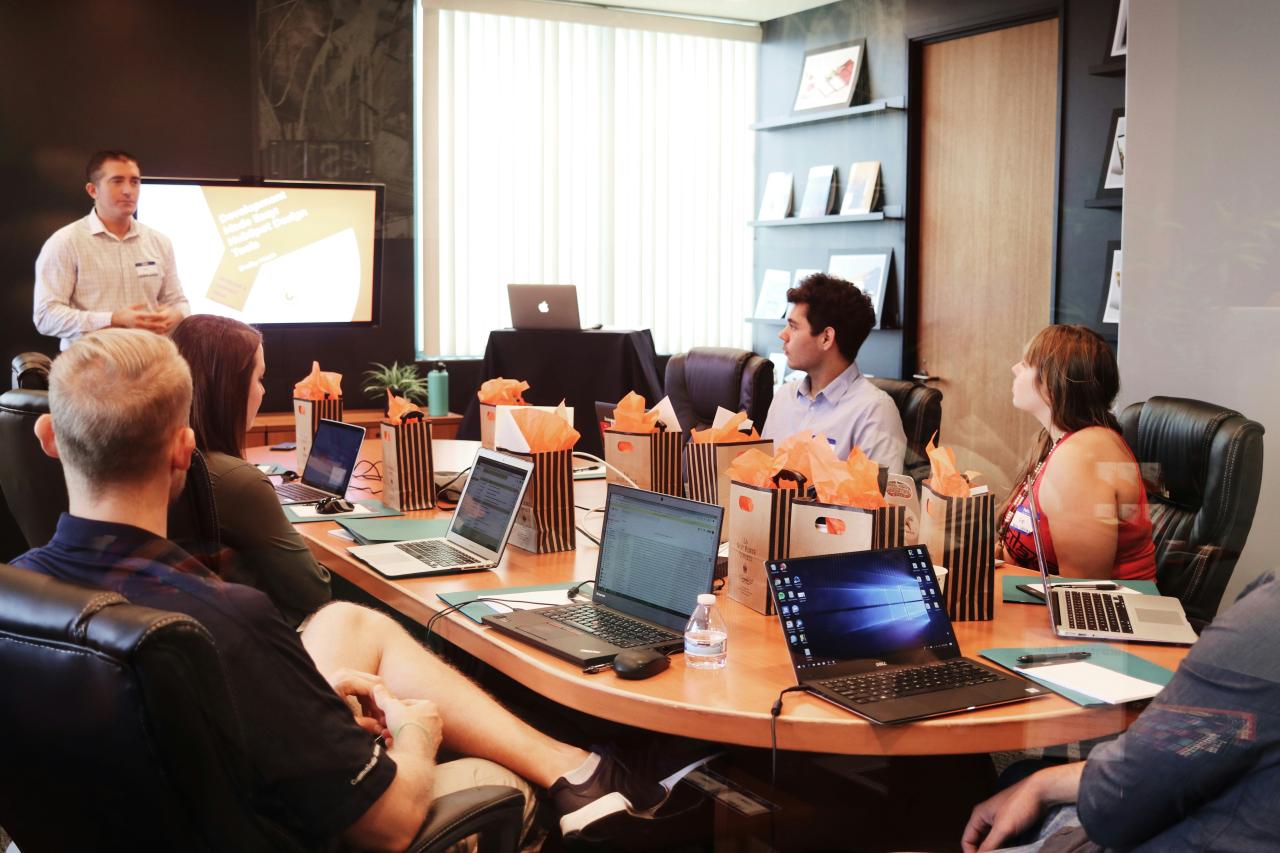
Corporate training has historically relied on heavy manuals and long lectures that failed to engage the modern worker. These methods often lead to low retention rates and a lack of practical confidence when employees face real-world challenges. Immersive technology changes this dynamic by placing the learner at the center of the action.
Instead of reading about safety protocols, a technician can now walk through a virtual power plant and identify hazards in real-time. This active participation triggers muscle memory and emotional engagement that traditional methods simply cannot replicate. The shift is moving the focus from “knowing” the material to “performing” the task with total proficiency.
A. Simulated High-Risk Environments
Workers can practice responding to emergencies like fires or chemical leaks without any physical danger. This builds calm and effective response patterns that save lives in real situations.
B. Scalable Virtual Classrooms
An instructor in one country can lead a training session for employees scattered across five different continents. Everyone meets in the same virtual room to interact with 3D models and share ideas.
C. Real-Time Data Analytics
The software tracks every movement and decision the learner makes during the simulation. This provides managers with deep insights into exactly where an employee needs more support.
D. Reduced Resource Waste
Training in a virtual world means you do not have to waste expensive raw materials or pause production lines. It is a sustainable way to master industrial processes without any material overhead.
E. Enhanced Engagement Levels
Gamification elements within immersive platforms keep employees motivated and focused on their learning goals. High engagement leads to faster completion times and better overall results.
Transforming Technical Skill Mastery
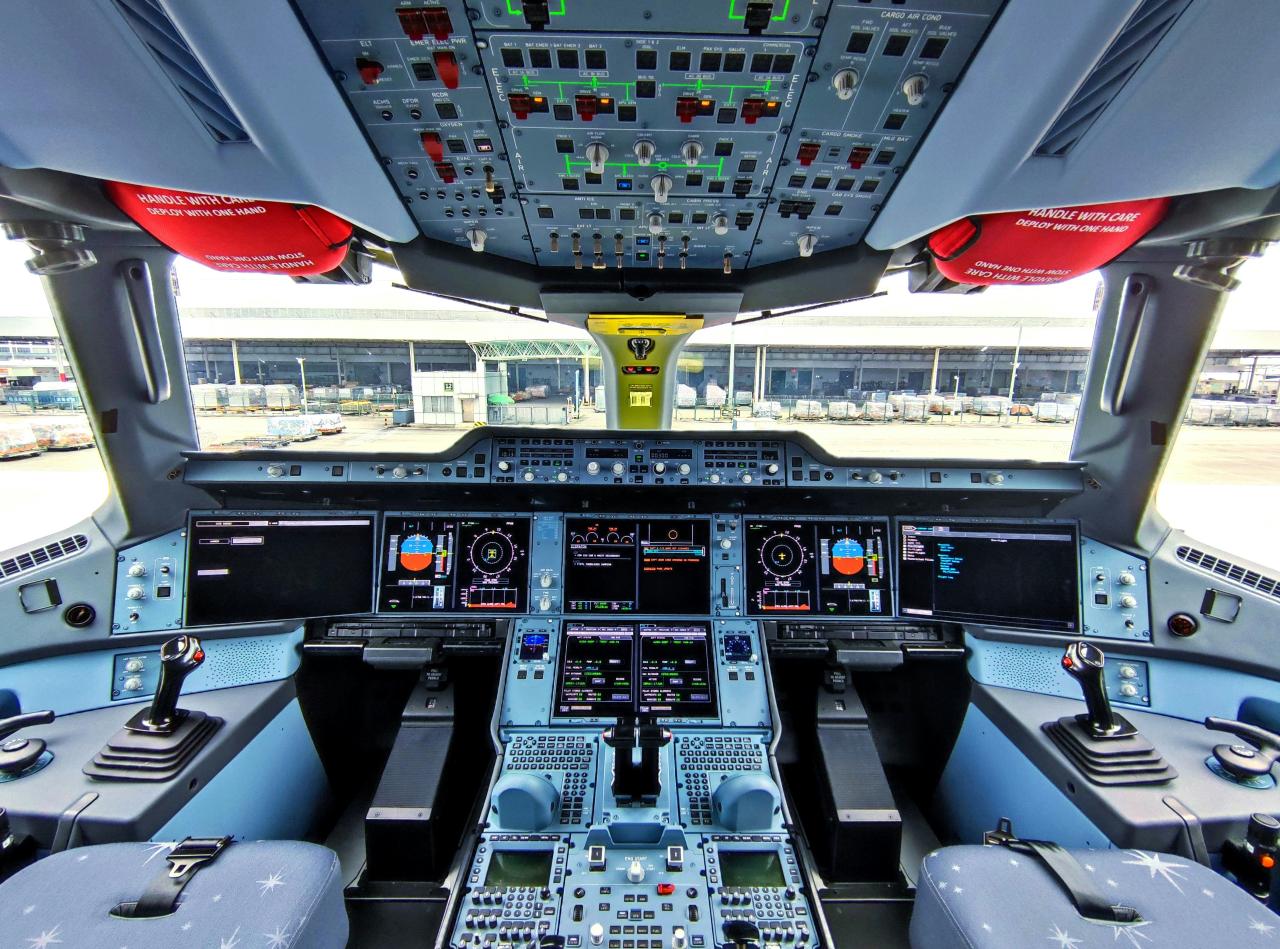
In technical fields, the precision required to operate machinery or perform surgeries is immense. Immersive training solutions provide a “digital twin” of the equipment, allowing for endless hours of practice. This repeated exposure ensures that by the time a worker touches the real machine, they are already an expert.
Software-driven simulations can replicate the exact haptic feedback and visual cues of high-stakes environments. This is particularly vital for industries like aviation, medicine, and heavy manufacturing where mistakes are incredibly costly. The technology acts as a bridge between theoretical knowledge and professional mastery.
A. Haptic Feedback Integration
Advanced gloves and suits allow trainees to feel the weight and resistance of virtual objects. This tactile experience is crucial for developing the fine motor skills needed for delicate tasks.
B. Procedural Consistency
Every employee receives the exact same high-quality training regardless of their location. This eliminates the variations that often occur with different human instructors.
C. Rapid Prototyping Skills
Engineers can use immersive tools to visualize and test new designs before they are built. This speeds up the innovation cycle and reduces the risk of design flaws.
D. Anatomy and Medical Precision
Surgeons can practice complex operations on patient-specific 3D models. This personalized approach to training significantly improves patient outcomes in the real world.
E. Maintenance and Repair Guidance
Technicians can wear smart glasses that overlay digital instructions directly onto the physical machine. This “just-in-time” learning reduces errors during complex repair jobs.
Soft Skills and Leadership Development
Immersive technology is not just for technical tasks; it is also revolutionizing how we teach leadership and empathy. Dealing with difficult conversations or managing a diverse team requires a high level of emotional intelligence. Virtual scenarios allow leaders to practice these interactions with AI-driven avatars.
These simulations provide a safe space to fail and try again without damaging real office relationships. Leaders can see the immediate impact of their words on the virtual employee’s body language and productivity. This creates a much more self-aware and effective management tier within the organization.
A. Empathy Building Exercises
Employees can experience a day in the life of a colleague from a different background or with different abilities. This fosters a culture of inclusion and mutual respect within the workplace.
B. Conflict Resolution Scenarios
Managers practice de-escalating tense situations with virtual subordinates. The software provides instant feedback on their tone of voice and choice of words.
C. Public Speaking Practice
Trainees can stand in front of a virtual crowd of thousands to practice their presentation skills. This helps overcome stage fright and builds powerful communication habits.
D. Bias Recognition Training
Simulations help individuals identify their own unconscious biases in a non-judgmental environment. This is a critical step in building a truly equitable corporate culture.
E. Customer Service Excellence
Retail and hospitality staff can practice handling frustrated customers in a variety of high-pressure settings. They learn to remain calm and helpful under any circumstances.
The Economic Impact on Global Business
Investing in immersive training is a strategic financial move that pays dividends in productivity and retention. Traditional training travel costs, including flights and hotels, are eliminated when the classroom is digital. Furthermore, employees who feel well-trained are much more likely to stay with their company long-term.
The speed of onboarding is also significantly increased through immersive platforms. New hires can reach full productivity weeks earlier than those using standard training modules. This rapid integration is essential in fast-moving markets where every day of downtime costs money.
A. Significant Travel Savings
Companies no longer need to fly teams to central hubs for specialized training. The digital environment brings the expert to the employee instantly.
B. Lower Insurance Premiums
Demonstrating that staff are trained in high-fidelity safety simulations can lower corporate liability. Insurers recognize the value of verified competence in high-risk sectors.
C. Increased Employee Retention
Workers value modern tools and investments in their personal growth. Immersive learning shows a commitment to the future that keeps top talent engaged.
D. Optimized Onboarding Cycles
New employees get a “hands-on” feel for the company culture and operations on day one. This builds an immediate connection and understanding of their role.
E. Universal Language Support
Training modules can be instantly translated into dozens of languages. This ensures that a global workforce is always on the same page regarding company standards.
Overcoming Implementation Barriers
While the benefits are clear, moving to a fully immersive training model requires careful planning. Companies must ensure they have the necessary network bandwidth to support high-quality 3D streaming. There is also the challenge of helping older generations of workers feel comfortable with new hardware.
Success requires a phased approach where the technology is introduced gradually. Organizations should focus on solving specific pain points before attempting a total overhaul. Partnering with the right software providers is essential to ensure the content remains relevant and effective.
A. Hardware Accessibility
As headsets become lighter and more affordable, they are easier to deploy across large teams. The focus is shifting toward “all-in-one” devices that do not require external computers.
B. Content Customization
Off-the-shelf solutions are great, but custom-built scenarios provide the most value. Software developers work closely with industry experts to ensure every detail is accurate.
C. Cybersecurity and Data Privacy
Protecting the training data and the privacy of the employees is a top priority. Secure cloud platforms ensure that sensitive corporate knowledge stays within the company.
D. User Experience Design
If the software is hard to use, employees will not use it. The best training platforms focus on intuitive interfaces that feel natural to everyone.
E. Connectivity Requirements
High-speed 5G networks are making it possible to run immersive sessions anywhere. This removes the final barrier for remote workers in rural or isolated areas.
The Technological Roadmap Ahead
The future of immersive training will be defined by the convergence of AI, 5G, and advanced optics. We are moving toward “persistent” virtual worlds where training is a continuous process rather than a one-time event. Artificial Intelligence will act as a personal coach, adapting the difficulty of the training in real-time.
As hardware continues to shrink, we may see the rise of contact lenses or sleek glasses that provide augmented reality overlays. This will turn the entire world into a classroom where learning happens in the flow of work. The boundary between “working” and “learning” will eventually disappear entirely.
A. AI-Driven Personal Mentors
Virtual coaches will provide personalized guidance based on the learner’s unique strengths and weaknesses. This creates a bespoke education for every single employee.
B. Persistent Training Universes
Employees can drop into a virtual workspace at any time to practice new skills or collaborate. These spaces stay “live” and evolve as the company grows.
C. Biometric Feedback Loops
Future systems will monitor stress levels and cognitive load to ensure the learner is not overwhelmed. If you get too stressed, the simulation slows down to help you recover.
D. Cross-Platform Compatibility
The goal is to have training that works on headsets, tablets, and even mobile phones. This flexibility ensures that learning is always accessible.
E. Standardized Learning Credits
Blockchain technology may be used to verify and store training certifications. This creates a secure and portable record of an employee’s professional skills.
Integrating Immersive Tech into Corporate Culture
To truly succeed, immersive training must be more than just a novelty; it must be part of the company’s DNA. Leaders should lead by example by participating in virtual sessions themselves. This builds a culture of curiosity and continuous improvement that drives long-term success.
When employees see that the company is investing in cutting-edge tools, they feel more empowered to innovate. The immersive world provides a safe laboratory for testing new ideas that could lead to the next big breakthrough. It is about creating an environment where “trial and error” is celebrated as a path to excellence.
A. Executive Buy-In
When the CEO uses VR for board meetings, the rest of the company follows. Leadership must champion the digital transition to ensure wide adoption.
B. Peer-to-Peer Virtual Coaching
Employees can record their best performances in the virtual world to help others. This social learning aspect builds strong bonds between team members.
C. Innovation Lab Access
Give employees the keys to the virtual sandbox. Let them experiment with new ways to solve old problems using immersive tools.
D. Recognition and Rewards
Gamified training should lead to real-world rewards. Digital badges and certifications should be celebrated as major milestones in a person’s career.
E. Feedback-Driven Iteration
Use employee suggestions to constantly improve the virtual training environment. The software should grow and change based on the needs of the people using it.
Conclusion

The transformation of enterprise training through immersive technology is an inevitable evolution. Digital learning environments provide a level of safety that physical classrooms cannot match. Companies that adopt these solutions early will attract the best talent in the market. Traditional methods of teaching are quickly becoming a thing of the past. The future belongs to those who can learn and adapt in a virtual space. High-fidelity simulations ensure that every worker is prepared for the unexpected. We are seeing a massive reduction in training costs and environmental impact.
Human potential is being unlocked through the power of experiential software. The workplace of tomorrow is a blend of physical reality and digital brilliance. Every industry stands to benefit from more competent and confident employees. This technology is the bridge to a more efficient and safer global economy. Innovation in immersive training is just beginning to show its true power. The journey toward a fully digital workforce is now well underway.